


Hollywood’s insistence that leading men present a conventional, heterosexual persona has cost a number of actors some great gigs, a pattern underscored by recent and historical accounts of performers who refused to manufacture on‑screen or public ‘beards’ – that is fake girlfriends so you look straight. According to the original report, several well‑known actors say their refusal to hide their sexuality, or the fallout when their orientation became public, curtailed casting prospects, diverted career trajectories and, in some cases, cost them marquee roles.
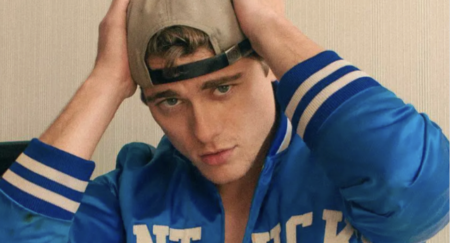
Matt Bomer’s account has become one of the more prominent recent examples. Speaking in 2024, Bomer said he had been the director’s favourite to play Superman in a proposed early‑2000s film, but that his sexual orientation was ‘weaponized against you,’ a development he linked to the project’s collapse and his removal from contention. Industry observers note that losing a potential franchise lead in the early stage of a career can have a lasting ripple effect even when the actor later finds success in television.
The lead article outlines a longer history of similar dynamics. Rupert Everett, one of the first modern actors to live openly, has long argued that being out restricted his access to romantic leading roles and pushed him towards character work. Jonathan Bennett and Lance Bass describe the pressure to maintain a marketable heterosexual image; Bennett has recounted management advice that he would ‘never work again’ if he were public about his sexuality, while Bass says offers evaporated after he came out. Those career pivots , to television, hosting or theatre , are recurring outcomes when studios prioritise perceived audience comfort over representation.
For younger actors in genre and teen dramas the stakes have often been immediate and personal. Colton Haynes and Luke Macfarlane describe being advised to stage public relationships with women or otherwise perform a straight identity to secure roles; both say refusal or the fallout from exposure slowed their momentum and narrowed their casting options. Wentworth Miller’s trajectory illustrates a further outcome: after his decision to decline playing straight parts he removed himself from contention for much mainstream studio work.
Several actors emphasise typecasting as the enduring cost: Wilson Cruz and Maulik Pancholy report being funnelled into narrow, often stereotyped parts once their sexuality was known, while Cheyenne Jackson, Gavin Creel and Bryan Batt say casting directors would praise auditions but hesitate to cast them in masculine leading roles. Industry data and longstanding casting practices show that producers and studios have historically equated heteronormative public images with bankability for certain genres, particularly romantic comedies and action franchises.
The experience of Black and flamboyant gay performers has carried additional barriers. Billy Porter recounts years of theatre labour before mainstream television and film found a place for his particular talent and persona; the company line for some executives was that his authenticity was ‘too much’ for conventional casting. Nathan Lane and George Takei’s histories further underline how different eras and identities have shaped which roles were deemed permissible for openly gay actors.
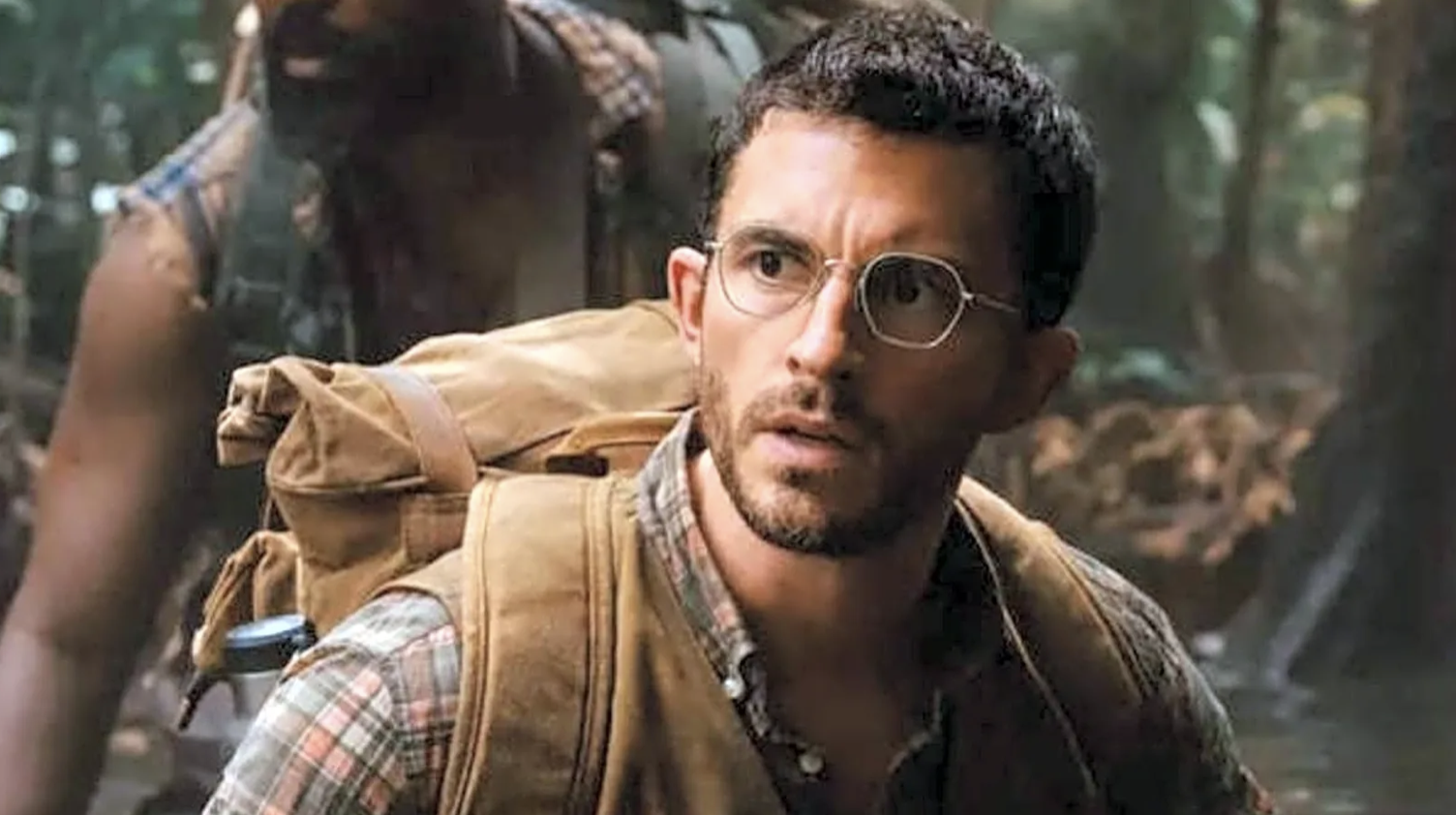
Many of the actors cited in the original report have found ways to sustain careers on their own terms: theatre, independent film, television character work, producing and advocacy have become routes that bypass the gatekeeping of traditional studio casting. The company claims that market concerns drive casting decisions, yet a combination of high‑profile examples and evolving box‑office and streaming data suggests audiences are more receptive to diverse casting than some executives assume. Why else would gay old Jonathan Bailey be the highest-grossing film star of 2025, with both Wicked and Jurassic Park franchises under his belt.
[Picture: Jonathan Bailey in Jurassic World: Rebirth Universal Pictures]
Source: Noah Wire Services
TOP EVENTS





TOP EVENTS