



Hollywood’s uneasy relationship with gay actors who refuse to perform a narrow, camped-up version of themselves is nowhere more apparent than in the long list, which catalogues fifty performers who say they lost roles or stalled careers after resisting stereotypical portrayals. According to the original report, many actors , from John Barrowman to Ben Platt, describe a recurring dynamic: producers seeking exaggerated mannerisms or ‘comic relief’ gay characters, and performers declining to deliver those caricatures at the cost of work.
That dynamic is not only anecdotal. Industry commentators have long observed that being openly gay can alter an actor’s perceived marketability. In a 2015 interview with The Guardian, Matt Damon suggested that openness about sexuality can hinder casting for conventional leading roles, referencing Rupert Everett’s career as an example of how disclosure changed studio willingness to cast against type. According to that report, such attitudes contribute to a commercial calculus that still privileges a narrow view of mainstream masculinity.
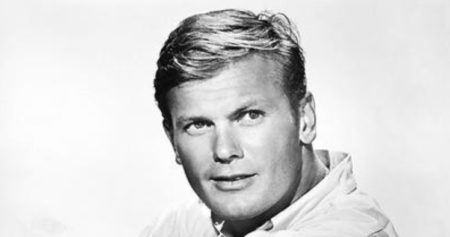
The consequences run both ways. The lead article shows how some gay actors were pressured to suppress queerness to retain romantic or action-hero parts , the careers of Rock Hudson and Tab Hunter are cited as historical examples of enforced heterosexual personas , while others, including contemporary performers, were passed over for straight roles because they would not masculinise or ‘straighten’ their performances. The result is a double bind that limits role diversity for gay talent.
Industry analyses and cultural critics highlight the absence of openly gay lead action heroes and other fully rounded gay characters on screen, arguing that the lack of such portrayals reinforces stereotypes and denies audiences a wider palette of queer identities. The Australian Centre for the Moving Image has pointed to these absences as symptomatic of broader representational failures in mainstream media.
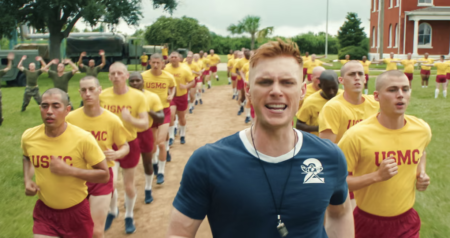
Not all recent casting choices follow that old pattern. Some creators are explicitly prioritising authenticity and resisting caricature. John Logan, writer-director of the film They/Them, told TheWrap that in casting his LGBTQ+ leads he sought actors who could be themselves rather than hiding their identities, stressing the importance of honest representation rather than performance of stereotype. According to that interview, this approach is gaining traction in some corners of the industry.
Yet progress is uneven and contested. Coverage of controversies around casting, from straight actors playing gay roles to performers being typecast after high-profile gay portrayals, shows both sides of the unfairness: gay actors losing work for refusing camp, and straight actors suffering career fallout after taking on gay characters. Pieces examining post-role typecasting for straight actors underline that industry pigeonholing affects many performers, albeit in different ways.
There is also the case of those gay actors who chose to walk away from roles they found demeaning, to create their own work, or to pivot into writing and producing. Figures such as Dan Levy and Cheyenne Jackson responded to repeated typecasting by developing projects that offered more nuanced queer narratives or by shifting behind the camera to generate their own opportunities.
Industry data and cultural commentators suggest the remedy requires structural change: more casting openness, writers’ rooms that reflect gay perspectives, and mainstream willingness to accept queer leads in genres beyond comedy or melodrama. The original report, along with cultural assessments, implies that altering entrenched casting economics is as necessary as changing audience expectations if the industry is to move beyond the old binary of ‘camp or invisible.’
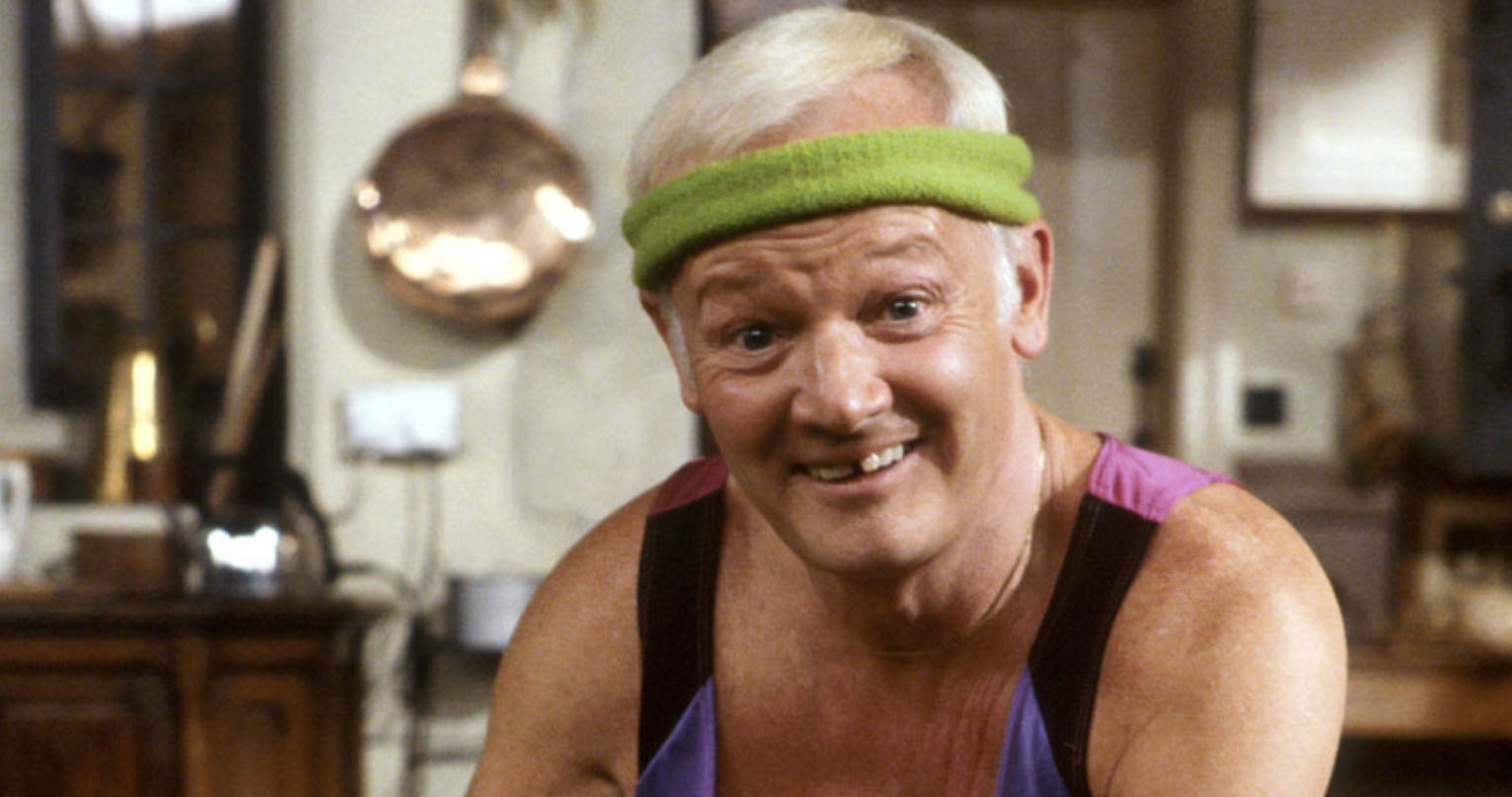
[Picture: John Inman as Mr. Humphries in BBC’s Are You Being Served?]
Source: Noah Wire Services
TOP EVENTS





TOP EVENTS