






‘I’ll be home for Christmas’, we hear people croon, and the collective cultural assumption is that this is, unquestionably, ‘the most wonderful time of the year’. Yet for many queer people the festivities arrive with a mixture of anticipation and dread, complicated at best, traumatic at worst.
Family gatherings can expose the limits of acceptance: parents who love you but do not fully understand the ways you move through the world; siblings who support you in principle but cannot grasp the microaggressions you face; non-binary and trans relatives who risk being deadnamed or misgendered in the name of ‘keeping the peace’. According to community reporting and mental-health resources, these dynamics amplify stress across the season.

Loneliness at Christmas is often quiet and insidious. You can be surrounded by people and still feel profoundly alone, because the rituals and traditions enacted around you were not designed with your life in mind. Industry and advocacy writing emphasise that heteronormativity can intensify during holidays, making marginalised identities feel erased rather than celebrated.
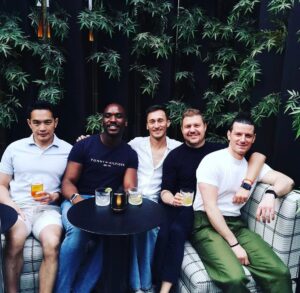
That is why chosen family matters. Reporting and practitioner guidance alike show that chosen families , deliberately formed networks of care and belonging , provide essential emotional support, especially when biological families are distant or hostile. Research-based resources note that many young gay men experience family rejection and that chosen networks can buffer against poorer mental-health outcomes.
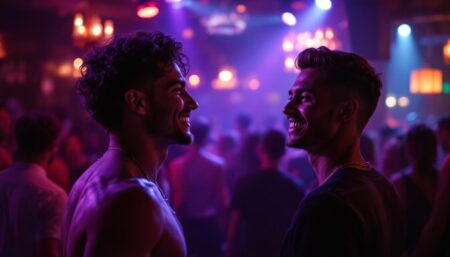
At a community level, recurring queer-focused gatherings, from dinners to workshops and ecstatic dance sessions, create reliable spaces where people are seen and understood without translation. The lead piece describes Pleasure Medicine as one such example: a bi-weekly connection workshop and ecstatic dance in East London that seeks to cultivate safety, celebration and embodied belonging. According to the original report, that regularity lightens the burden of the holiday days because people know they will return to a caring community soon after.
Practical advice from advocacy outlets echoes this approach: if you can, arrange an alternative celebration with friends who know and love you; make rituals that reflect your identity; and, where possible, anchor the day in acts of remembrance and gratitude for queer elders and chosen kin. These steps are framed not as consolation prizes but as authentic, often richer alternatives to traditions that exclude.
For those spending Christmas alone, solitude can be reframed as an intentional, restorative act. The lead essay argues that choosing a solo day , doing the things that actually bring joy and stripping away performative expectations , can be a radical exercise of self‑sovereignty. Mental-health resources corroborate that deliberately planned solitude, when not born of isolation, can support wellbeing.
Community groups, helplines and local LGBTQ+ networks are practical lifelines over the holidays: reach out, check event listings, and consider joining recurring meet-ups that offer continuity beyond a single festive day. Coverage from multiple outlets highlights that small acts of connection , invitations, shared meals, brief check-ins , materially reduce the loneliness many queer people feel during the season.
The broader point is both political and personal: queer people have long made meaning where mainstream culture fails to include them. Whether by building chosen families, adapting traditions, or claiming intentional solitude, these responses are acts of resilience and creativity. As the lead piece closes, the lights of the season can shine just as brightly when you decide where to hold the switch.
Source: Noah Wire Services
TOP EVENTS





TOP EVENTS