



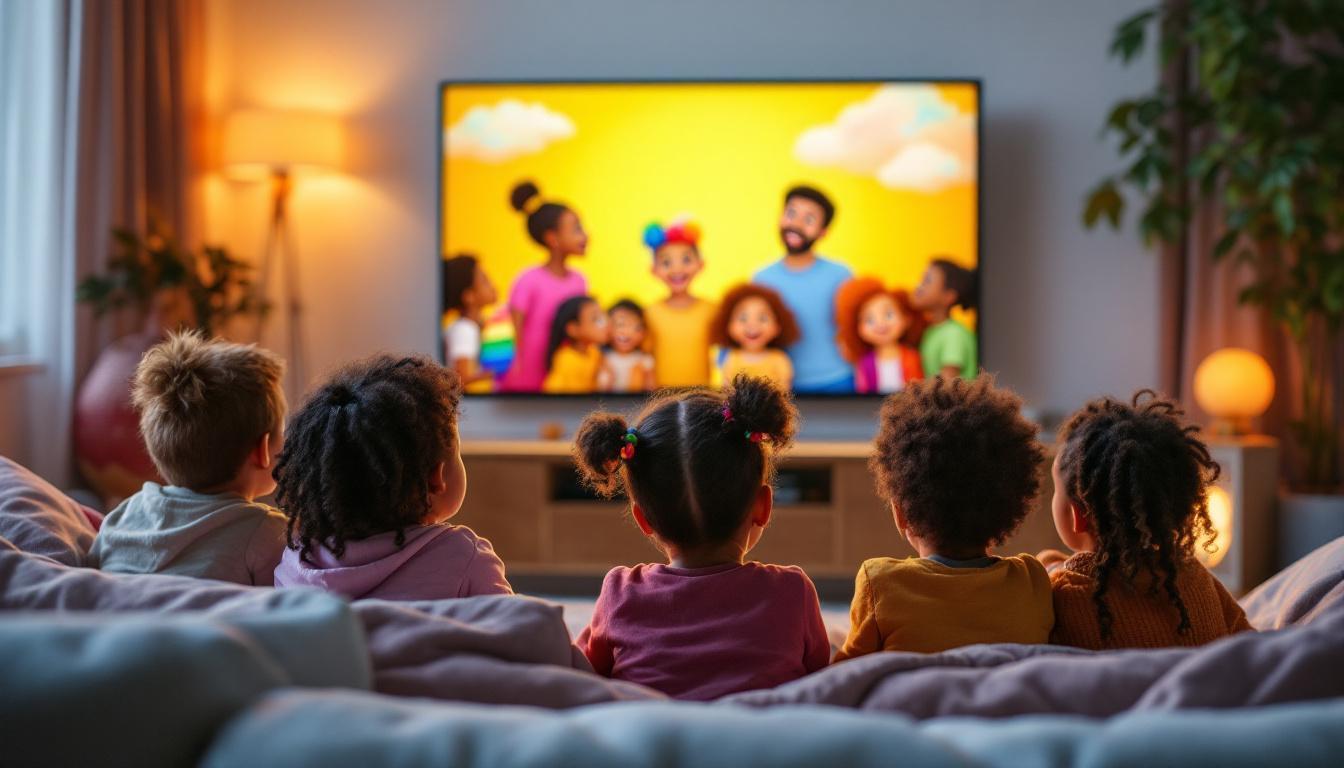

According to a new study by Concerned Women for America (an ultra-conservative Bible-bashing group of, we’re sure, very stylishly put together characters – well, they embrace ‘Biblical femininity’, so you can imagine), LGBTQ+ themes now appear far more often in Netflix’s labelled‑for‑children offerings. And they’re not happy about that. Oh, no. Despite the fact that as great moms they presumably control what their own children watch.
In analysis carried out for those busy women, which examined hundreds of Netflix titles, it was found that roughly 41% of the platform’s G‑rated and TV‑Y7 content includes some form of LGBTQ+ representation – even though some of those shows are about animals wearing clothes and going to school. The report set out three categories: ‘Explicit’, that is characters clearly identified as lesbian, gay, bisexual, trans, or nonbinary; ‘Implied’, non‑primary or queer‑coded figures; and ‘Meta’, gay families or reality‑style participants. Having put in all this work (goodness knows when they get their ironing done) they concluded that the presence of such themes accelerated after 2021. The report’s authors say that, measured against real‑world demographics, the prevalence of these portrayals in children’s shows ‘far outpaces’ what most children will encounter in daily life. Well, it depends where they live.

Netflix’s programming choices have proved politically volatile before, and the debate over content for young viewers has coalesced around a few high‑profile examples. The animated preschool series Ridley Jones introduced a nonbinary bison character, Fred, who uses they/them pronouns – yes, a bison! – whose inclusion prompted vocal backlash and visible facial frothing from some viewers and conservative outlets. Children? They thought he was cool.
The CWA report also notes that reboots and later seasons of legacy children’s series increasingly introduce LGBTQ+ characters where none existed before like with The Magic School Bus, Power Rangers, The Baby‑Sitters Club, She‑Ra and The Fairly OddParents (well, they should know all about fairly odd parents), suggesting an intentional broadening of representation in franchises familiar to parents. That trend, combined with Netflix’s market position and its reported interest in consolidation with Warner Bros. Discovery, has prompted some commentators to warn about the scale of influence streaming giants hold over what children watch. Are parents just giving them the remotes and leaving them to it these days? They’re probably watching Selling Sunset in that case.
Netflix and creators frame inclusivity as representation and normalisation for audiences who have historically seen few positive examples on screen. The platform’s children’s slate contains examples that range from a passing acknowledgment of diverse identities to episodes that centre characters’ coming‑out stories. Yet the likes of those concerned women argue the prevalence and placement of such storylines on preschool and early‑school content amount to advocacy rather than neutral portrayal.
Public reaction has been mixed and politically charged. Some parents say they now scrutinise children’s programming more closely and may selectively limit what their children stream – which, after all, is the job of parents – others, including activists and many less poorly-dressed parents, argue that early representation can reduce stigma and prejudice and reflect the realities of LGBTQ+ families and children. Which you’d think might be a good thing.
Source: Noah Wire Services
TOP EVENTS




TOP EVENTS