






Hollywood’s machinery has long forced actors to reconcile public image with private truth, producing marriages that were sometimes strategic, sometimes tragic, and often temporary. For decades studio pressures, agents and societal expectations steered many men into unions with women to preserve careers and marketable personas; some of those marriages later dissolved when private lives could no longer be suppressed.
The pattern appears across eras and national cinemas: silent‑era stars, Golden Age matinee idols and more recent entertainers all feature in accounts of ‘lavender marriages’ or relationships entered to deflect rumours. Some unions evolved into genuine friendships, others ended in short, bitter divorces when the emotional strain of concealment and the changing cultural climate made secrecy untenable. The lead account surveys dozens of such cases, from Rock Hudson and Randolph Scott to contemporary names who later acknowledged bisexuality or gay identity.

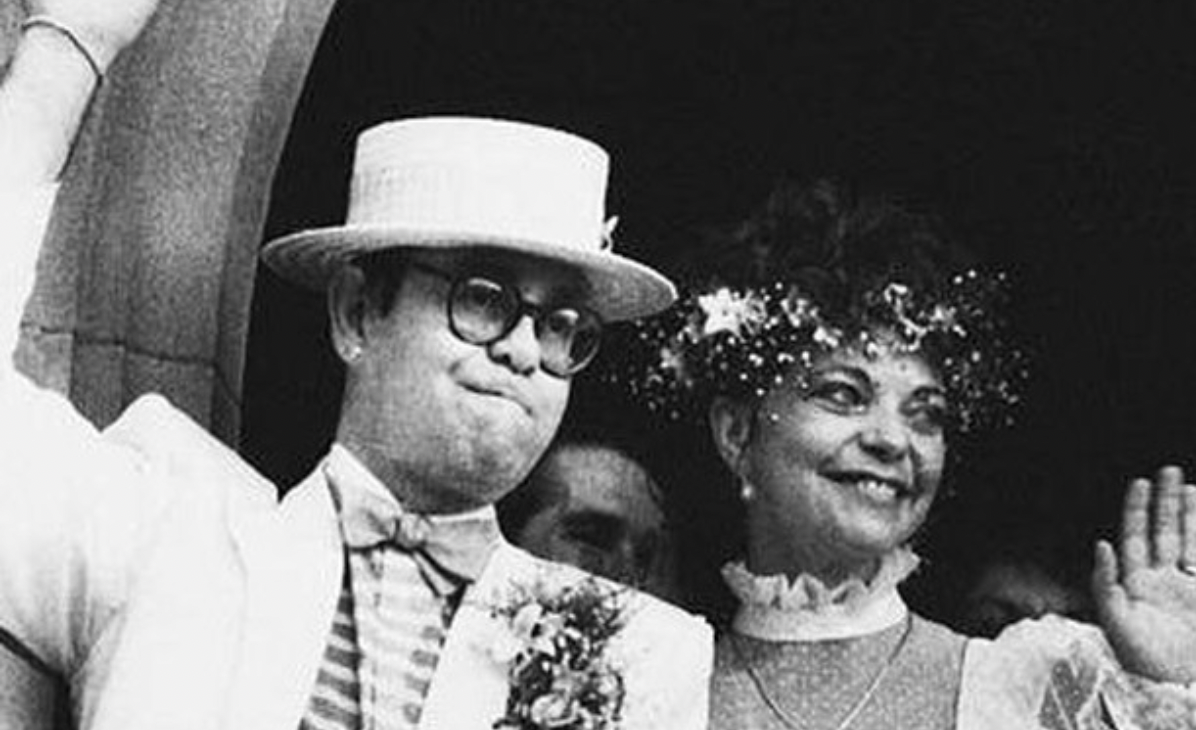
One case that illustrates both the personal cost and the long legal shadow such marriages can cast is Elton John’s 1984 marriage to Renate Blauel. According to the original report, the union surprised many given John’s earlier public statements about his sexuality; the marriage lasted four years and, as biography sources note, preceded John’s eventual public coming out and later relationship with David Furnish.
That marriage has resurfaced in recent years not only as a chapter in John’s life but as a legal matter. Court papers and reporting show that Blauel sued, alleging Elton John breached a confidentiality agreement from their 1988 divorce by discussing their marriage in his memoir and in the film Rocketman. The pair reached a settlement in 2020 that included an agreement not to discuss each other or the marriage going forward, according to reporting on the court settlement and related proceedings. Industry coverage at the time placed the disputed damages figure at around £3 million before the settlement was reached.
Reporting from the legal proceedings also revealed Blauel’s efforts to distance herself from the publicity: court testimony indicated she adopted a new identity by deed poll in 2001 and moved to care for family, while effectively remaining in the UK under that new name to avoid association with John. Those details underlined how the fallout from a high‑profile, short‑lived marriage can persist for decades.
The broader catalogue of stories collected in the original account shows a shifting cultural landscape: where once concealment was often essential for a career, later changes in social attitudes and the activism of LGBTQ+ figures have made authenticity more possible, though not always without cost. Industry data and biographies cited in the lead article demonstrate how studio systems, agents and tabloid practices created incentives for marriage as image management; in many cases the marriages are best read as complex human responses to institutional pressure rather than simple deceptions.
Source: Noah Wire Services
TOP EVENTS





TOP EVENTS