






Every year, the world of professional sport inches closer to greater honesty and visibility regarding LGBTQ+ identities, and 2025 has emerged as a landmark year. Athletes, coaches, and referees from various sports codes globally are sharing their personal stories, reinforcing the importance of visibility at all levels, from community leagues to the Olympic stage.
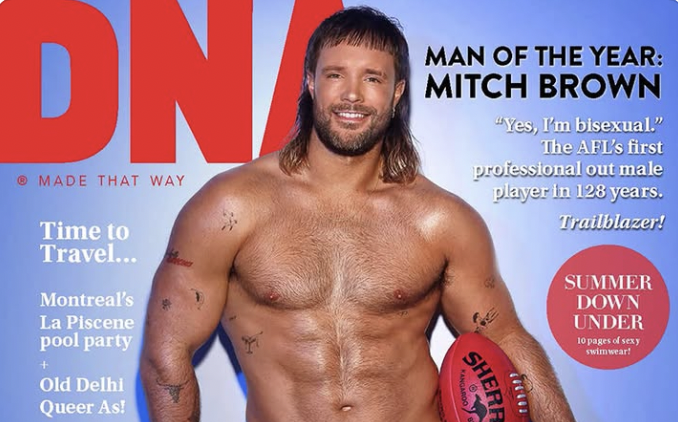
A significant milestone was reached in the Australian Football League (AFL) when Mitch Brown [pictured], a former West Coast Eagles player, publicly came out as bisexual. Brown, who played 94 matches before retiring in 2016, is the league’s first openly bisexual man. Speaking candidly about the hyper-masculine culture that made it difficult to come out during his playing days, Brown expressed hope that his revelation will encourage others to feel seen and empowered to be their genuine selves. His decision is widely regarded as a catalyst for needed cultural transformation within the AFL, as calls for more inclusivity and the tackling of homophobia grow louder. Darcy Moore, AFL Players’ Association president and Collingwood captain, highlighted Brown’s courage as a vital opportunity for the league to shift its culture and foster a safer environment for all players.

The Olympics also provided a platform for queer athletes to embrace and share their identities publicly. Erik Shoji, the U.S. men’s volleyball captain and a three-time Olympian, described coming out as queer as both ‘scary’ and ‘freeing’ in a heartfelt video message. Sharing his journey, Shoji underscored the importance of authenticity both on and off the court, buoyed by the support of his family, teammates, and friends. Likewise, gymnast Jade Carey and middle-distance runner Yared Nuguse celebrated their same-sex relationships openly on social media, experiences met with overwhelming support and applause. Nuguse emphasised how authenticity contributed to his peace of mind and performance, demonstrating the positive impact of genuine self-expression in sport.
Locker room culture is also showing signs of evolution. Danish handball player Villads Raahauge Jensen received warm celebrations from his teammates when he came out as gay, signalling a shift towards acceptance and camaraderie rather than exclusion. Similarly, US basketball pro Josh Scott, who came out as bisexual aged 32, spoke openly about enduring discrimination but ultimately finding love and community within and beyond the sports sphere. Gaelic football’s Mark Shields has noted the positive changes he’s witnessed firsthand, crediting the support he received as a factor that eased his journey and hoping his visibility encourages younger players to live openly.
Visibility now spans an array of sports and personal narratives. In Poland, ski jumper Andrzej Stekała revealed his sexuality after the death of his partner, Damien, breaking years of silence in a conservative environment. American college gymnast Charlie Larson and Penn State wrestler Erik Gibson have embraced their identities publicly, with Gibson reflecting on the ‘thousands of little moments of courage’ it took to come out amidst wrestling’s fraught history with LGBTQIA+ inclusivity. Brazil’s ATP tennis player Joao Lucas Reis Da Silva also publicly affirmed his relationship, contributing to a growing chorus of voices making their truth known in professional sport.
Trans athletes are equally part of the evolving conversation. College runner Cody Smith, a trans man, shared his journey through transition while competing at the collegiate level, exemplifying how sports can affirm identity beyond traditional norms. Boxer Nolan Hanson is another figure helping to broaden perspectives and push for wider acceptance of trans athletes in competitive environments.
Leadership figures in sport who come out or advocate for inclusivity play a crucial role in this transformation. Matthew Whalen, Associate Athletic Director at Brown University, credited the visibility of public figures like Colton Underwood from the NFL and reality television for helping him embrace his identity. Meanwhile, high school basketball coach Anthony Nicodemo continues to confront and challenge the hate he faces, underscoring the persistence required to foster safer spaces for young athletes.
The collective visibility and bravery of these athletes, from AFL’s Mitch Brown to cheerleader Randolph Rivera of the Tampa Bay Buccaneers, weave a tapestry of progress that redefines sport as a more welcoming arena for LGBTQ+ individuals. These stories, whether through triumphant social media posts, heartfelt interviews, or personal milestones, signal a growing cultural shift that promises a better, more inclusive sporting future.
Adding a joyful note to a year of milestones, Matildas captain Sam Kerr and her partner Kristie Mewis welcomed their son, Jagger Mewis-Kerr, in May, exemplifying the diverse and authentic family lives thriving within the sporting community.
Source: Noah Wire Services
TOP EVENTS






TOP EVENTS