







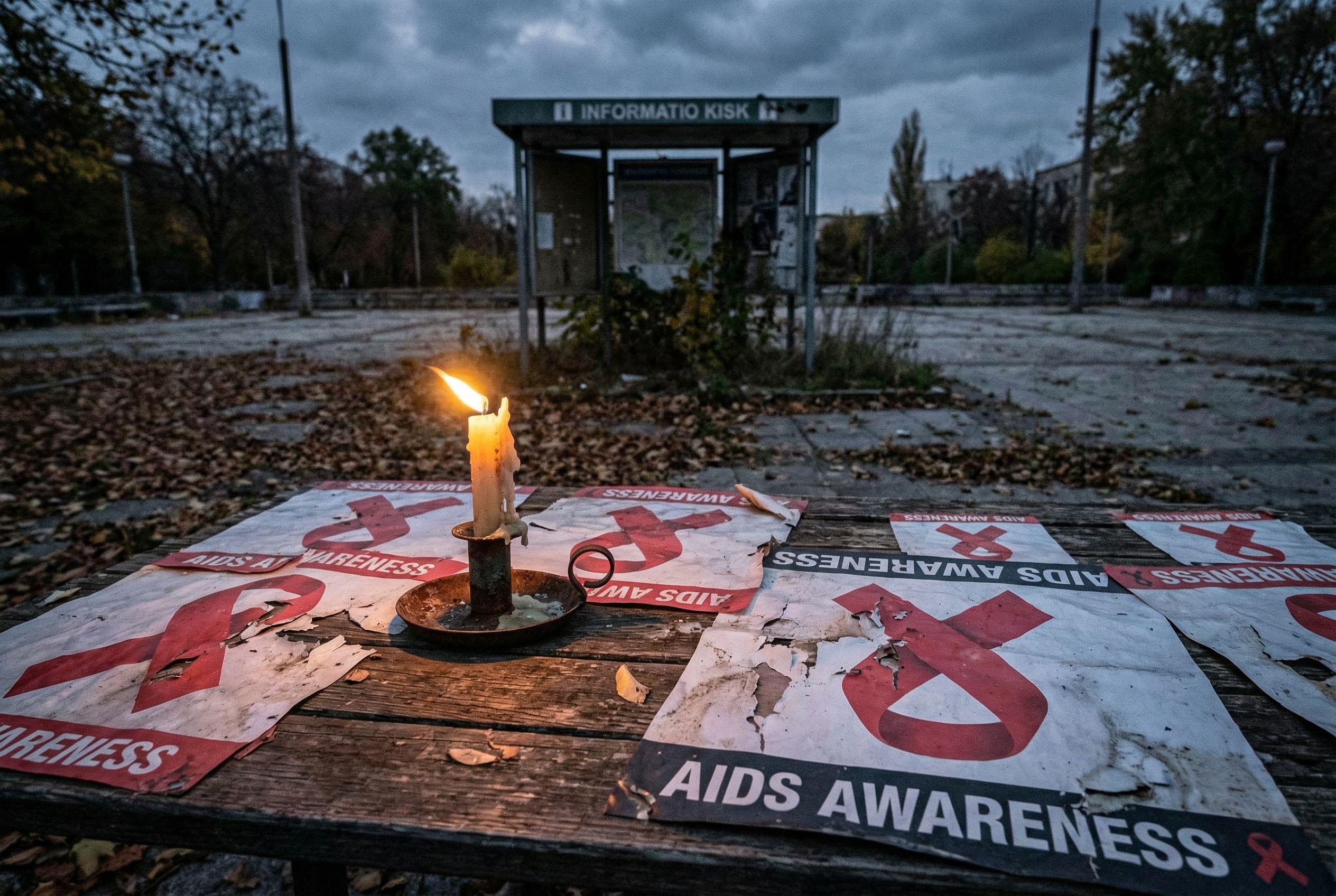


In a move that marks a departure from decades of tradition, the US federal government will for the first time since 1988 abstain from publicly commemorating World AIDS Day today. The State Department has issued directives instructing its employees and grant recipients not to use US government funding to mark or promote the day.
The communication, first reported by journalist Emily Bass and corroborated by an email seen by The New York Times, clarified that while personnel may still acknowledge the work being done through various programmes aimed at combating HIV/AIDS and other infectious diseases globally, they are explicitly advised against public promotion of the event via any communication channels , including social media, media engagements, speeches, or other public-facing messaging.
However, the directive permits attendance at relevant events, suggesting that participation in private or authorised gatherings remains permissible but that organised public awareness campaigns are discouraged. The policy underscores a broader stance: ‘to refrain from messaging on any commemorative days, including World AIDS Day,’ despite the fact that previous administrations, including that of Donald Trump, have issued proclamations for other observances such as Anti-Communism Week and National Energy Dominance Month.
A State Department spokesperson, Tommy Pigott, articulated the reasoning behind this shift to The New York Times, stating, ‘An awareness day is not a strategy.’ He explained that under President Trump’s leadership, the department prioritises direct collaboration with foreign governments to save lives and encourages shared responsibility, rather than public commemoration.
Historically, December 1 has been a day of remembrance and awareness, honouring those who have lost their lives to HIV/AIDS, recognising ongoing efforts to contain the epidemic, and engaging the public. Since 1988, it has served as a focal point for global mobilisation, with the US often showcasing initiatives and data related to progress in combating HIV/AIDS.
In a notable exception last year, President Joe Biden hosted a White House event on the South Lawn where memorial quilt panels honouring over 110,000 lives lost were displayed , a heartfelt tribute reflecting the national commitment.
Since his return to the White House, former President Donald Trump has taken actions to dismantle US engagement in HIV/AIDS initiatives. These include cancelling foreign aid programmes targeting HIV, curtailing research and prevention funding, and restrictions on the President’s Emergency Plan for AIDS Relief (PEPFAR), a landmark programme established under George W. Bush which is credited with preventing approximately 25 million early deaths.
The impact of these developments extends to the Department of State’s customary sharing of PEPFAR data during World AIDS Day, which details progress and challenges to Congress. It remains uncertain whether the department intends to continue this practice this year in light of the new directives.
Responding to inquiries, the State Department has yet to comment publicly on the decision. As the world continues efforts to tackle HIV/AIDS, this shift in US policy underscores a broader debate about the role of government-led awareness campaigns versus targeted international aid and collaboration.